
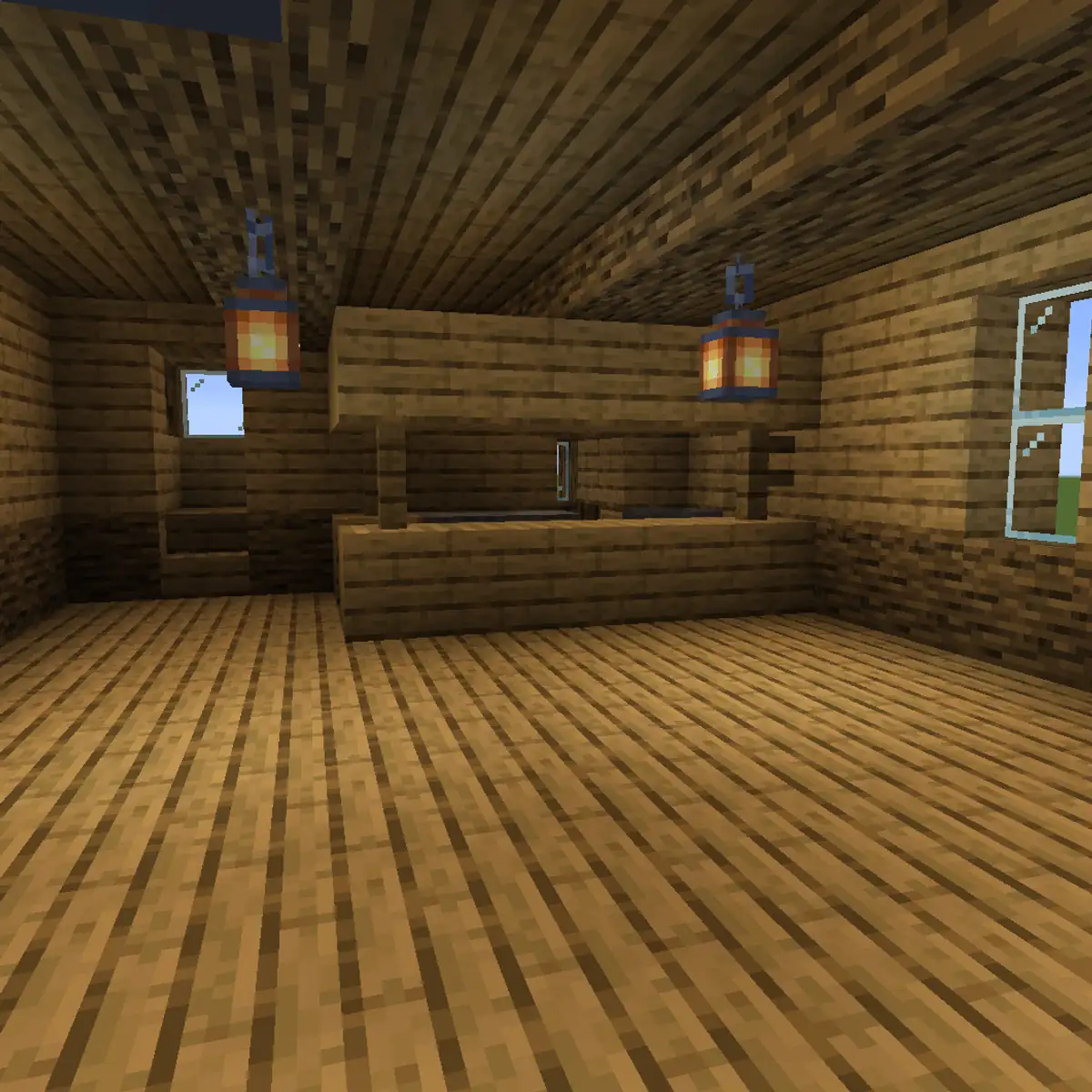
What a Minecraft roleplay server is
A roleplay server, often shortened to RP, asks players to act as a character who lives in the world. They talk as that character, make choices that character would make and deal with what happens to them. The Minecraft side, building and mining, becomes the backdrop to the stories players tell together.
| Kind | How strict | What it suits |
|---|---|---|
| Light roleplay | Players stay in character when they want to, and nobody is punished for breaking it | Survival communities that want a bit of story on top |
| Medium roleplay | In character on the map, out of character in a separate chat | Most roleplay servers, and the easiest place to start |
| Serious roleplay | Always in character on the map, with character applications and strict rules | Experienced players who want deep stories |
Choose a roleplay setting
The setting decides what characters can be, what they do all day and what they argue about. Choose one, describe it in a few sentences and say clearly what does not fit, such as guns in a medieval kingdom. A mixed setting where anything goes sounds free but makes it hard for two players to share a scene.
- A medieval kingdom
Knights, farmers, merchants and nobles under a king with enemies. Minecraft's blocks and villages fit this setting better than any other.
- A fantasy realm
Elves, dwarves and wizards in a world with magic. Decide early how magic works, or every character will be the most powerful mage alive.
- A small town
Everyday life: a bakery, a school, a town council and a few neighbours who do not get along. Low stakes and easy for new players.
- A frontier settlement
Settlers building a town far from anywhere, with little food, rough weather and strangers on the road.
- After the collapse
Survivors in a ruined world, trading, scavenging and deciding who to trust. It works well with an abandoned map full of empty buildings.
- Pirate islands
Ships, ports, treasure maps and a navy that wants every pirate hanged. Boats and islands make the map itself part of the story.
- A school or academy
Students, teachers and houses competing for points, with lessons as scenes. Popular with younger players, so set clear content rules.
- A space colony
A colony on a strange planet with a council, workers and something in the caves. Builds can use the most unusual blocks in the game.
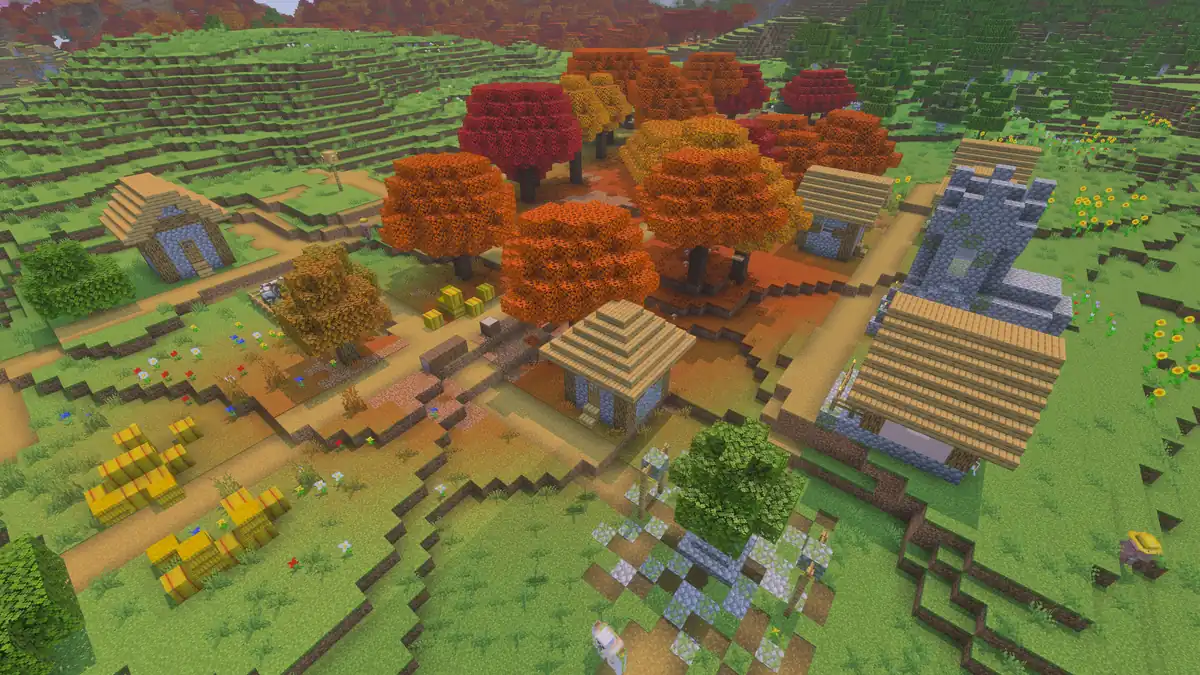
Roleplay terms and rules to write down
Roleplay communities use a handful of terms that new players will not know. Explain each one on your rules page and in your FAQ, because most arguments on a roleplay server start with a player who did not know one of them.
| Term | What it means | Example |
|---|---|---|
| IC (in character) | What your character says and does | Your blacksmith complains about the price of iron |
| OOC (out of character) | What you as a player say | Asking in chat how to use a command |
| Metagaming | Using something you know as a player, but your character could not know | Your character finds a hidden base because you saw it on a stream |
| Powergaming | Forcing an outcome on another character without giving them a choice | Writing that your character knocks someone out in one hit, with no chance to react |
| Fail roleplay | Acting in a way nobody in the setting would | Walking calmly past a dragon attack to go mining |
| Random killing | Attacking another character with no reason in the story | Killing a stranger at spawn just to take their items |
| New life rule | After a character dies, they forget what led to their death | A killed guard does not return to arrest the person who killed him |
- Stay in character on the map, and use the out of character channel for everything else.
- No metagaming and no powergaming.
- Give other players a chance to respond before your character acts on them.
- A villain character is allowed; harassing the player behind a character is not.
- Character death only happens with the agreement of the player, or when staff decide after a major event.
- Take out of character arguments to a private message or a ticket, never into the scene.
Keep your general server rules as well, such as no cheating and no griefing. The example rules in the rules guide cover those, so your roleplay rules only have to cover the story.
Characters and character applications
Most medium and serious roleplay servers ask players to describe their character before they join. A short character sheet shows that the player read the setting and gives staff a chance to fix a character that would not fit, such as a vampire prince in a town of farmers.
| Field | What to ask for |
|---|---|
| Name | A name that fits the setting, not a username |
| Age and origin | Where the character comes from and roughly how old they are |
| Background | A few sentences about their life before the story starts |
| Strengths and weaknesses | At least one real weakness, so the character can fail |
| Appearance | What other characters see when they meet them |
| Goal | What the character wants, which gives them something to do on day one |
Let players show their character name in game with /nick from EssentialsX, and let staff look up the username behind a character name with /realname. If you already take whitelist applications, add the character sheet to that form; the whitelist application guide has a template to build on.
Decide how character death works
Permanent character death gives stories weight, but losing a character someone played for months without warning drives players away. A common middle ground: normal deaths use the new life rule, and a character only dies for good when the player agrees or when a big planned event says so.
In character and out of character chat
Nothing breaks a scene faster than someone asking about lag in the middle of a tense conversation. Split chat into channels, so in character talk stays in the world and everything else has its own place.
- Make local chat the default, so only players nearby read what a character says, just as in real life.
- Add a global out of character channel for questions and chatter.
- Use /me for actions, such as /me pours a drink and slides it across the bar.
- Teach the habit of putting quick out of character remarks in double brackets, like ((brb)), when a separate channel would be too slow.
- Keep a separate out of character channel on Discord, and a channel for character sheets and stories.
ChatControl handles chat channels and controls which players may use each one. The Discord setup guide shows how to lay out channels for a community like this.
Jobs, places and a roleplay economy
Characters need something to do between big stories. Jobs, shops and towns create small moments all day long: a guard stops a stranger at the gate, a merchant haggles over a price, the town council argues about taxes.
- Give characters jobs such as blacksmith, guard, farmer, innkeeper or doctor. Jobs Reborn can pay players for the work that goes with a job.
- Let players run shops with ChestShop or QuickShop, so trade happens between characters.
- Build places where characters meet by chance: a tavern, a market square, a harbour, a town hall.
- Add characters that are not players, such as a mayor or a quest giver, with Citizens.
- Let players found towns with their own plots, taxes and mayors using Towny when the setting has several settlements.
Keep the economy small and slow. On a roleplay server money is a reason to talk to each other, and the economy guide explains how to stop it from piling up.
Events, storylines and game masters
Players create most of the small stories themselves. The big ones, such as a war, a plague or a royal wedding, need someone to plan them. Many roleplay servers give that job to game masters: members of staff who run storylines, play important characters that are not players and decide what the consequences are.
- The stranger
A game master plays a mysterious traveller who arrives at the tavern with a map and a warning.
- The trial
A character is accused of a crime, and players act as judge, witnesses and lawyers.
- The festival
A harvest or midsummer festival with contests, food stalls and a chance for rivals to meet.
- The raid
Bandits attack a village at night, and the guards and villagers decide how to respond.
- The election
Characters campaign for mayor, make promises and deal with the result for weeks afterwards.
Write the result of each event into the story, so players see their choices matter. The lore guide shows how to plan a storyline over several weeks, the event ideas guide covers the planning itself, and the staff roles guide explains how to fit a game master into your team.
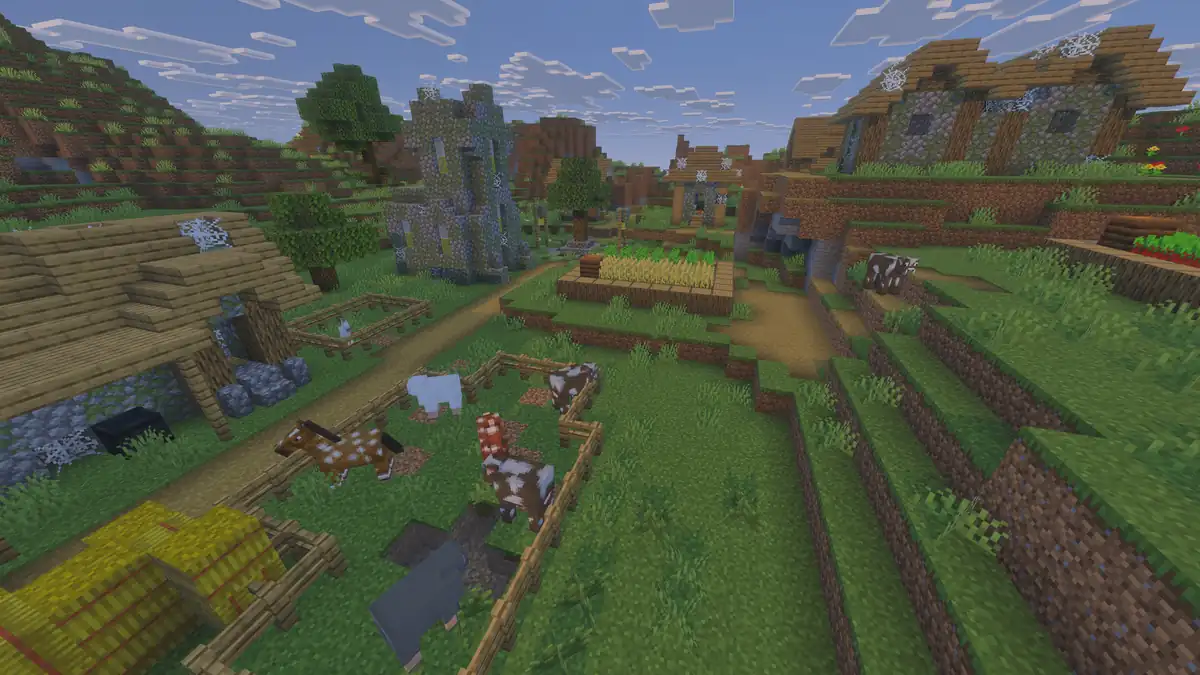
Keep roleplay fair and friendly
Roleplay mixes stories with real people, and sometimes a conflict between characters turns into a conflict between players. Clear boundaries and a simple way to step out of a scene keep that from happening.
- Set content limits that fit your age range, and say which topics are never allowed in a scene.
- Give every player a way to pause a scene without explaining why, such as typing ((stop)).
- Judge reports on the rules that were broken, not on whether a character was likeable.
- Punish the player for breaking rules, never for playing a convincing villain.
- Give players a fair way to appeal a punishment, as the ban appeal guide explains.
How to explain your roleplay terms on your website
Each template in the website builder has a FAQ on its shop page, called Support on the SMP template and Store on Network. Turn it into a short glossary of roleplay terms, so new players know what metagaming means before they ever join a scene.
Open the page with the FAQ
Go to Website in the server panel of Astroworld Hosting or minecrafthosting.cc, open the editor and pick the page with the FAQ section.
Add one question per term
Use Add question for each term, such as What is metagaming? and What does OOC mean?, and answer with one sentence and an example. The FAQ takes up to 20 questions.
Put the key rule first
Add the term players break most often, usually metagaming, as the first question and switch on Open the first question, so its answer is already open when the page loads.
Pick a layout that fits a long list
Set Layout to Stacked when you have many terms, or keep Side by side for a short list next to the heading.
Send players to the character form
In the Help card, invite players to create a character with the Heading and Line, set the Button text and put your character form in Link. Leave Link empty to use your Discord link instead.
Publish the glossary
Press Publish. Our team checks every change before it goes live, so publish a day before you open character applications.
Questions about Minecraft roleplay servers
What is a Minecraft roleplay server?
A server where players act as characters who live in the world, talking and making choices as those characters. The setting, the rules and events from staff turn normal Minecraft play into shared stories.
What is metagaming in Minecraft roleplay?
Using something you know as a player that your character could not know, such as the location of a hidden base you saw on a stream. Almost all roleplay servers ban it.
What does OOC mean on a roleplay server?
Out of character: anything you say as a player instead of as your character. Most servers keep it in a separate chat channel or in double brackets, like ((brb)).
How do I stop powergaming on my roleplay server?
Write a rule that every action against another character must leave them a chance to respond, explain it with an example, and let staff pause a scene when a player keeps forcing outcomes.
Does a roleplay server need a whitelist?
Serious roleplay servers usually use a whitelist with a character application, so every player has read the setting and the rules. Light roleplay servers often stay open and teach the rules at spawn.
Which plugins does a roleplay server need?
A chat plugin with channels such as ChatControl, EssentialsX for character nicknames, Citizens for characters that are not players, and plugins for jobs, shops or towns that fit your setting.
More server website guides
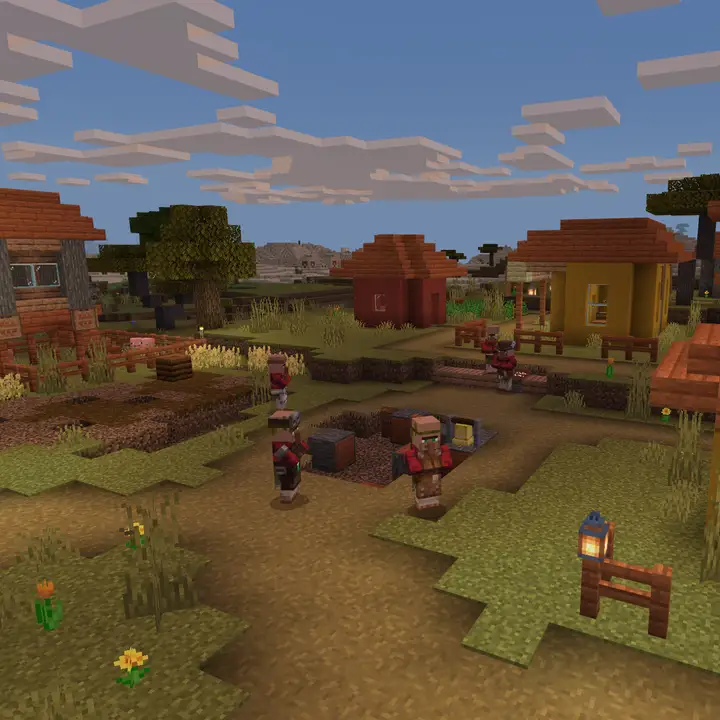
 Minecraft server loreHow to write lore for a Minecraft server, 20 story ideas, how to tell the story in game with builds, books and characters, and how events keep it moving.
 Minecraft whitelist applicationTwenty questions to ask, a form players can copy, how to review applications fairly and how to add accepted players to the whitelist.
 Minecraft server rules24 example rules sorted by topic, the rules each type of server needs first, and how to build a rules page players read.
 Minecraft server event ideasTwenty five event ideas sorted by type of server, with a plan for announcing, running and rewarding each event.
 Minecraft server staff rolesOwner, admin, moderator, helper and builder explained, how many staff a server needs and how to choose and show them.
 Minecraft Discord server setupA channel layout to copy, the roles and permissions to give, how to keep spam out and how to connect Discord to your Minecraft server.
 Minecraft RPG serverBuild an RPG server: class ideas, skills and levels, quest types, dungeon and boss design, loot tiers, levelled zones and a leaderboard for your top players.
 Minecraft Earth serverRun an Earth server: map scales and what they mean in blocks, where the map comes from, towns and nations, claiming countries, a mining world and events.