
What lore does on a Minecraft server
Lore is the story behind your server: who lived in the world before the players arrived, why the spawn looks the way it does, and what is still hidden. Players do not need it to mine, build or fight. What it gives them is a reason to care about the place, and that is what brings people back once the first week is over.
- Builds get a meaning. A ruined tower near spawn is more interesting when players know it fell in a war.
- Events get a reason. A boss fight becomes an attack by an old enemy instead of just a boss fight.
- Factions and towns get a side to pick, which gives players something to talk about.
- New players have something to explore while they learn how the server works.
- Your server feels different from the hundreds of others with the same game mode and the same plugins.
Build the world before you write the story
Good lore starts with a few answers about the world, not with a long history. Decide these first and write each one down in a sentence or two. Everything you add later has to fit them, which keeps the story consistent when several people work on it.
| Part | The question to answer | Example |
|---|---|---|
| Setting | Where and when does the story take place? | A group of islands that rose from the sea a hundred years ago |
| History | What happened before the players arrived? | The first settlers built a city and left it in a single night |
| Peoples | Who lives here, or who used to? | Island clans that trade with each other and fight over land |
| Conflict | What is at stake right now? | The sea is rising again and the clans blame each other |
| Mystery | What does nobody know yet? | Why the settlers left, and what they buried under the old city |
| The players | Why are they here? | They are new settlers who came for the land the clans cannot hold |
Use what the world already has
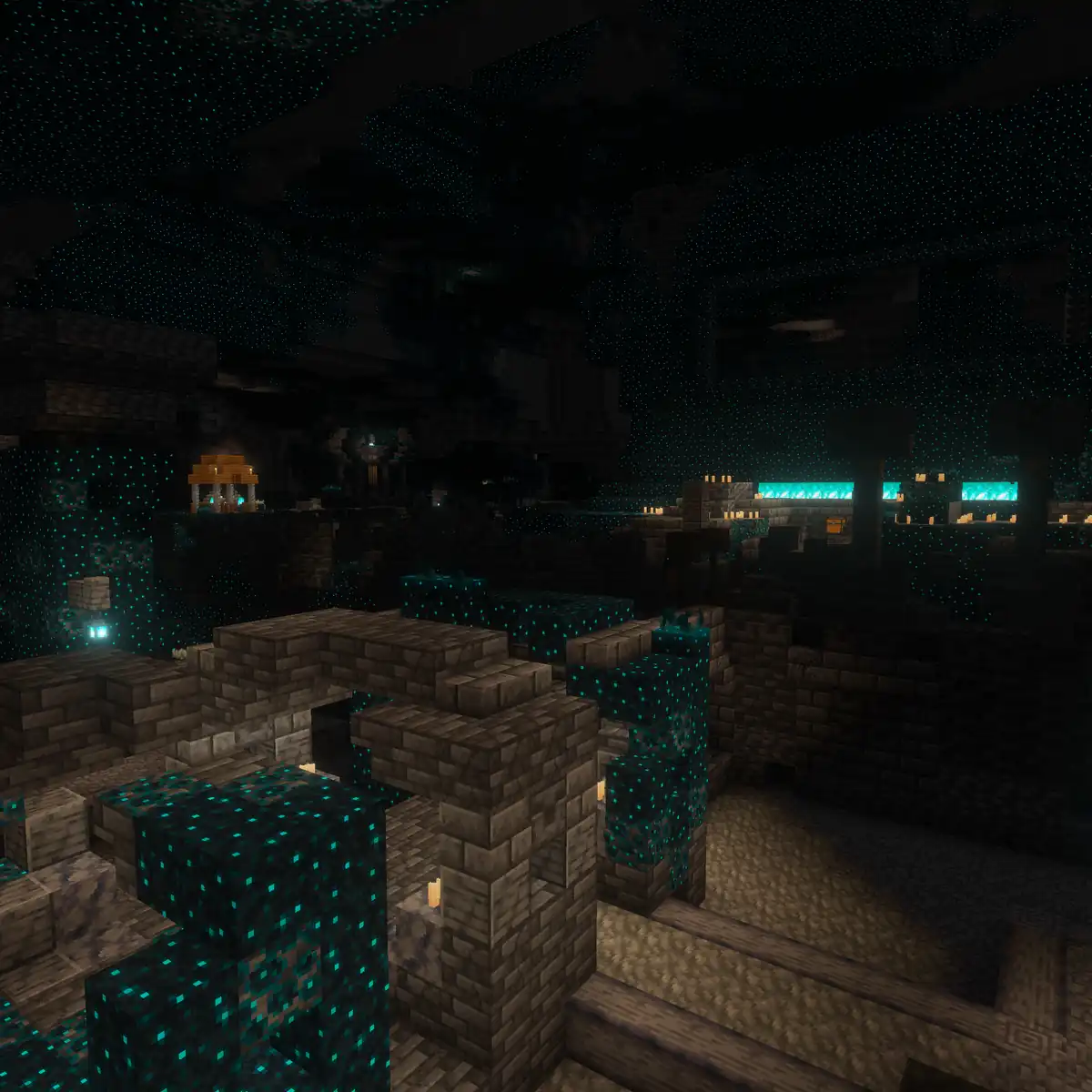
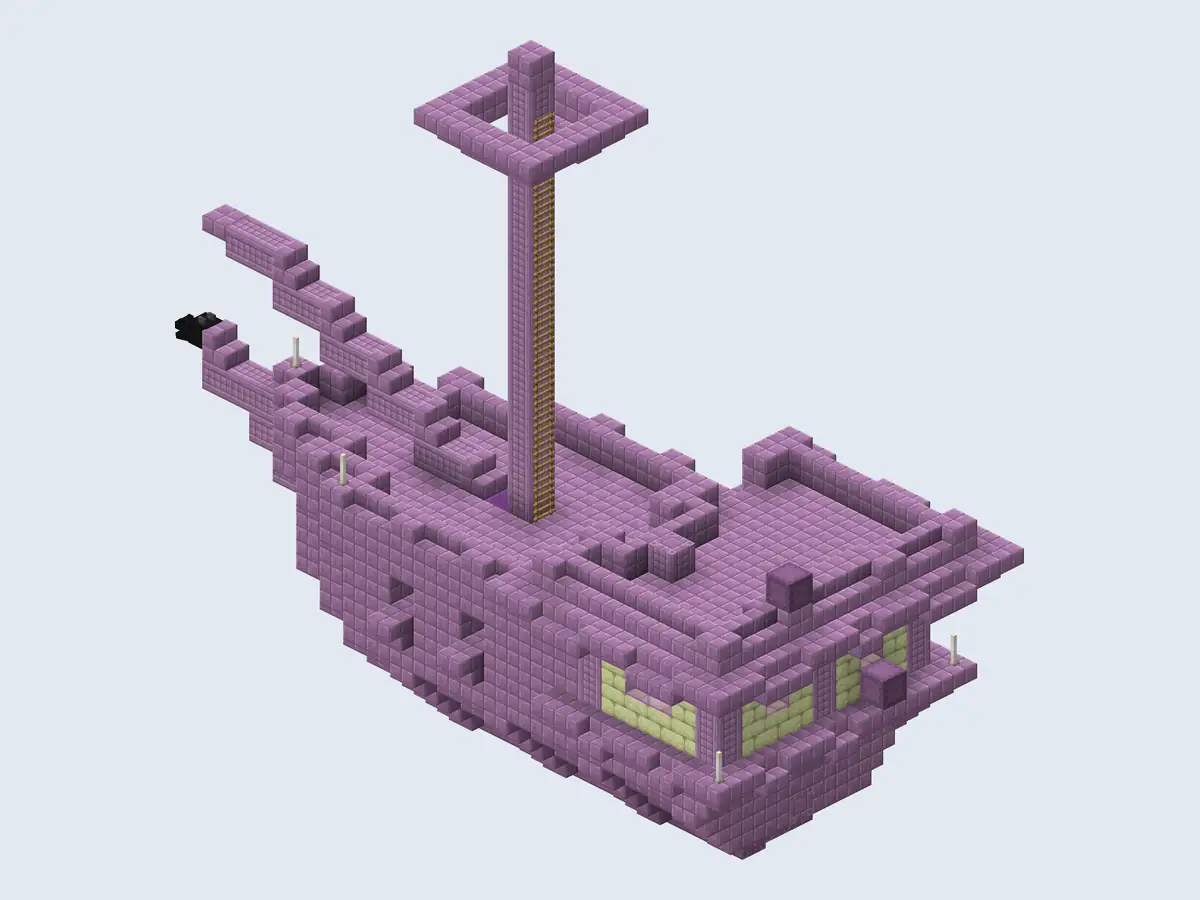
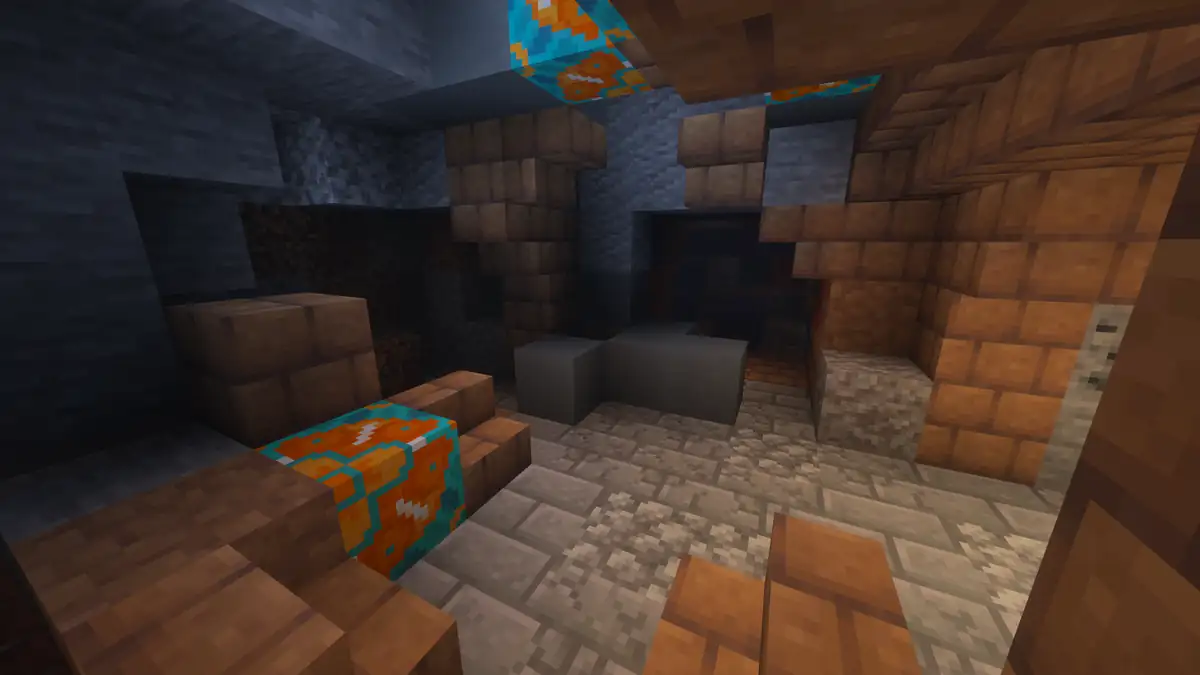
Minecraft is full of places that come without an explanation: ancient cities under the ground, trail ruins, abandoned mineshafts, strongholds and ships floating in the End. You do not have to invent everything. Build your history around the ruins players will find anyway, and the world tells half the story for you.
Players have talked about these places for years, from who built the ancient cities to what archaeology digs up. That alone shows how long a mystery without an answer keeps people talking.
Leave gaps on purpose
Do not answer every question. A mystery that players can build theories around is worth more than a finished history they read once. Write the answer down for yourself so the story stays consistent, and only reveal it when an event or a new season needs it.
20 Minecraft server lore ideas
Use these as a starting point and change the names and details to fit your server. Each idea gives you a setting, a conflict and a mystery to build on, and most of them work with builds that are already in the game.
Lost cities and ruins
- The builders who vanished
An old people built the ancient cities and then disappeared. Players find pieces of their writing in ruins and slowly work out what drove them underground.
- The drowned kingdom
A kingdom sank under the sea after its king made a promise he could not keep. Its towers still stand in the ocean, and a new season can bring part of it back.
- The last library
A stronghold library holds the only record of the old world, but the books are missing pages. Each event returns one of them.
- The buried road
Trail ruins mark an old trade road that once linked the towns on the map. Players who dig along it find out what each town traded and why the road was lost.
- The sealed vault
A door under spawn has been closed since the server opened. Nobody knows what is behind it, and the answer arrives on the server's first birthday.
The Nether and the End
- The broken portals
The ruined portals across the map are what is left of a war between the Overworld and the Nether. Now someone is repairing them, one at a time.
- The piglin empire
The piglins once ruled an empire, and the bastions are its old fortresses. A faction of players can side with them against everyone else.
- The empty ships
Ships float in the End with nobody aboard. Players who reach them find the logbook of a crew that travelled further than anyone else.
- The dragon's return
The dragon was defeated long ago and the world was split in two. Each season ends with a fight to stop it from coming back.
- The wall at the edge
The world border is a wall built to keep something out. Every season it moves a little further, and players see what was hidden behind it.
Kingdoms, factions and wars
- Two crowns
Two families both claim the throne after the old king dies. Players join a side, and the season ends when one side holds the capital.
- The exiles
All players are exiles sent to an island nobody wanted. The lore explains why they were banished and who is still watching them.
- The merchant guild
A guild controls trade from its city at spawn. Players can join it, compete with it or try to bring it down, which suits a server with a strong economy.
- The raiders from the north
Pillagers are the scouts of a larger army. Their outposts spread week by week until players gather for a final battle against the army itself.
- The free cities
Towns founded by players are free cities with their own laws. The lore gives each town a charter and a seat on a shared council.
Survival, disaster and the unknown
- After the collapse
The world ended once and the players are the first to come back. Old farms, broken machines and empty villages show how people used to live.
- The long winter
The world is freezing and only a few biomes stay warm. Each season the cold spreads, and players have to move their towns to survive.
- The sickness in the villages
Villagers turn into zombies faster than anyone can cure them. Players follow clues from village to village to find where it started.
- The sleeping guardian
Something huge sleeps below the deep dark, and noise wakes it. The warden is only the guard at its door.
- The prison world
Every player is a prisoner on a world built as a jail, which fits a prison server. The mines are the sentence, and prestige is the only way out.
How to tell the story inside the game
Very few players read a long lore post. Far more will read a sign next to a ruin, open a book they found in a chest or click a character at spawn. Put the story where players already are, in small pieces, and let them put it together themselves.
Hide the story in builds
A build can tell a story without a single word: a burned village, a wall with a hole blown through it, a table set for a meal nobody came back to eat. Place a few of these around spawn and along the routes players take, and change them when the story moves on. Protect them with a region so nobody breaks the clues, as the spawn protection section explains.
Put it in books and signs
- Write the text in a book and quill and sign it. It becomes a written book with a title and an author that players can read but not change.
- Copy a signed book in a crafting table with a book and quill, so you can hide the same page in several chests.
- Place a book on a lectern so players can read it right next to the ruin it is about.
- Signs can hold text on both sides. Wax them with honeycomb so nobody can edit them afterwards.
- Rename an item on an anvil to turn it into a relic, such as a sword called the Blade of the First King.
Let characters tell it
Characters make lore feel alive. The Citizens plugin adds characters that stay in one place and can say short lines to players who walk up to them or click them. Give each important place one character with one or two sentences, such as a guard at the old gate who remembers the night the city was left. Keep the lines short, because players click through them quickly.
Show the big moments on screen
When something happens in the story, show it. The /title command puts large text in the middle of the screen for the players you choose, which works well for the name of a new chapter at the start of an event. Keep chat messages for short news and save titles for the moments that matter.
Move the story forward with events and seasons
Lore that never changes is read once and forgotten. The servers where players follow the story are the ones where it moves: the vault under spawn opens, the dragon returns, one faction wins the war. Tie each change to something players do, so they feel part of it instead of reading about it.
- Week 1: the discovery
Players find the first clue, such as a broken portal that was not there yesterday. Leave a book and a sign nearby and say nothing else.
- Week 2: the rumours
Characters at spawn start talking about what the clue means. Post a short letter on Discord written by one of them.
- Week 3: the first event
A small event, such as a treasure hunt through the ruins, hands out the next piece of the story as the reward.
- Week 4: the choice
Let players decide something, such as which faction guards the portal. Their choice changes what happens next.
- Finale: the reveal
End with a big event that answers part of the mystery and opens a new one for the next season.
The event ideas guide has events that fit a story, from treasure hunts to boss fights, and the season reset guide shows how to plan a season week by week. When the lore changes, mention it in your patch notes too, so players who missed the event know what happened.
Let players add to the lore
Lore works best when players can leave their mark on it. A town founded by players can become part of the history, a famous battle can turn into a legend, and the player who solved the mystery first can get a statue at spawn.
- Ask towns and factions to write a short history of their own, and add the best ones to the official story.
- Open a lore channel on Discord where players post their theories. The Discord setup guide shows where it fits in the channel list.
- Name places after the players who did something important there.
- Hold a build contest for a ruin or a monument that becomes part of the world.
- Give one member of staff the job of keeping the lore, so one person decides what is true. The staff roles guide covers the builders and event staff who often take this on.
Keep a lore document
Keep one private document with every fact that belongs to the story: names, dates, places and the answers to the mysteries. Staff check it before they write a book, a sign or a line for a character. It prevents contradictions, and the story survives when a member of staff leaves.
Decide what is canon
Players will write stories that do not fit, and that is fine, as long as it is clear what counts as official. A simple rule works well: only what appears in the world, on the website or in the lore channel from staff is canon.
Where each part of the lore belongs
The same story needs a different length in each place. A player browsing a server list reads one sentence, a player at spawn reads a sign, and a player who is already hooked will read a whole book. Spread the lore out like this.
| Place | How much | What goes there |
|---|---|---|
| Server list and MOTD | One sentence | The hook: the setting and the conflict |
| Website | A few short paragraphs | The setting, the story so far and how players fit in |
| Spawn | Signs and one character | Where the story starts and where to look next |
| Ruins and builds | A sign or a book | The piece of history that belongs to that place |
| Discord | Short posts | News from the story, letters from characters and player theories |
| Events | Titles and chat | What changes and why |
Keep the one sentence hook close to your server description, as the server description guide explains: a line about the story can be what makes a player choose your server over the next one. A name that fits the story helps as well, and the name ideas guide shows how to make one up.
Mistakes that make players skip the lore
- A long history that players have to read before they can start playing.
- Made up words in every sentence, so nobody can follow what happens.
- A story that never changes, so there is no reason to check back.
- Lore that only lives on Discord, where new players never see it.
- Staff who contradict each other because nothing was written down.
Lore for each type of Minecraft server
Any game mode can carry a story, but the story has a different job in each one. On a survival world it explains the place, on a factions server it explains the fight.
| Game mode | What the lore explains | Where it shows up |
|---|---|---|
| Survival and SMP | The history of the world and the spawn town | Ruins, books and a town that grows over the years |
| Factions | Why the factions fight and what they fight over | Seasons, wars and the final standings |
| Skyblock | Why players live on floating islands | The first island and the new areas that open later |
| Prison | Why players are locked up and how they get out | The mines, the ranks and the final prestige |
| Network | A shared world that links the game modes | The lobby, with a short line for each mode |
| Creative | A theme for build contests | Contest briefs and the builds that win |
On a network with several game modes, keep the shared story light and give each mode its own small piece, so players who only play one mode never feel they missed something. A spawn with a clear story also makes a stronger first impression, and the spawn ideas guide has builds that fit one.
How to add your server lore to your website
The SMP template in the website builder has an About this server section on its home page, with the heading About the server. It holds a heading and a few paragraphs, which is the right size for the setting and the story so far. On the other templates, put a one sentence hook in the Description of the Hero section at the top of the home page.
Open the website editor
Go to Website in the server panel of Astroworld Hosting or minecrafthosting.cc, open the editor and stay on the home page.
Select About this server
Click the section and change the Heading to something that fits the story, such as The story so far.
Write the story in Text
Write a few short paragraphs about the setting, what happened before and where players fit in. An empty line starts a new paragraph, up to eight in total.
End with where to start
Finish with one sentence that tells players where the story begins in game, such as the old gate at spawn.
Update it after each chapter
When an event changes the story, add a paragraph or rewrite the last one, so the website always shows the story as it is now.
Publish the changes
Press Publish. Our team checks every change before it goes live, so publish a day before you announce a new chapter.
Questions about Minecraft server lore
What is lore on a Minecraft server?
Lore is the story behind the server: the history of the world, the people in it and the mysteries still to solve. It gives builds, events and factions a reason, and players can follow it or ignore it while they play.
How do I write lore for my Minecraft server?
Start with a setting, a conflict and one mystery, each in a sentence or two. Build the history around places players will find anyway, tell it through builds, books and characters, and move it forward with events.
Do players actually read server lore?
Most players will not read a long post, but many read a sign next to a ruin or a book they find in a chest. Short pieces in the world reach far more players than a history page.
How long should Minecraft server lore be?
The part players see first should fit in one sentence, and the website version in a few short paragraphs. Keep the full history in a private document for staff and reveal it piece by piece.
Can a survival server have lore without roleplay?
Yes. Lore can be a background that players discover while they play normally. Nobody has to stay in character for ruins, books and events to tell a story.
Which plugins help with server lore?
Citizens adds characters that can say lines to players, and a region plugin such as WorldGuard keeps lore builds from being broken. Books, signs, lecterns and the /title command already come with the game.
More server website guides
 Minecraft server event ideasTwenty five event ideas sorted by type of server, with a plan for announcing, running and rewarding each event.
 Minecraft server season resetWhat to wipe and what to keep, season lengths per game mode, a reset timeline, the steps for reset day and rewards that carry over.
 Minecraft server name ideasSixty name ideas sorted by game mode, what makes a server name easy to remember and how to check it is still free.
 Minecraft server spawn ideas20 spawn ideas by theme, game mode and feature, how to lay out and size a spawn, and how to protect it from griefing.
 Minecraft server game modes30 game mode ideas in five groups, which modes suit your player count, how to plan a network and how to add a new mode.
 Minecraft server descriptionA one sentence formula, 24 example descriptions by game mode, what goes in a long description and how to write a two line MOTD.
 Minecraft build contest50 Minecraft build contest themes, six contest formats, rules to copy, a scoring sheet for fair judging, prizes that do not break the game and how to show the winners.
 Minecraft roleplay serverRun a roleplay server: settings that work, roleplay terms and rules, character sheets, in character and out of character chat, jobs, towns and events.